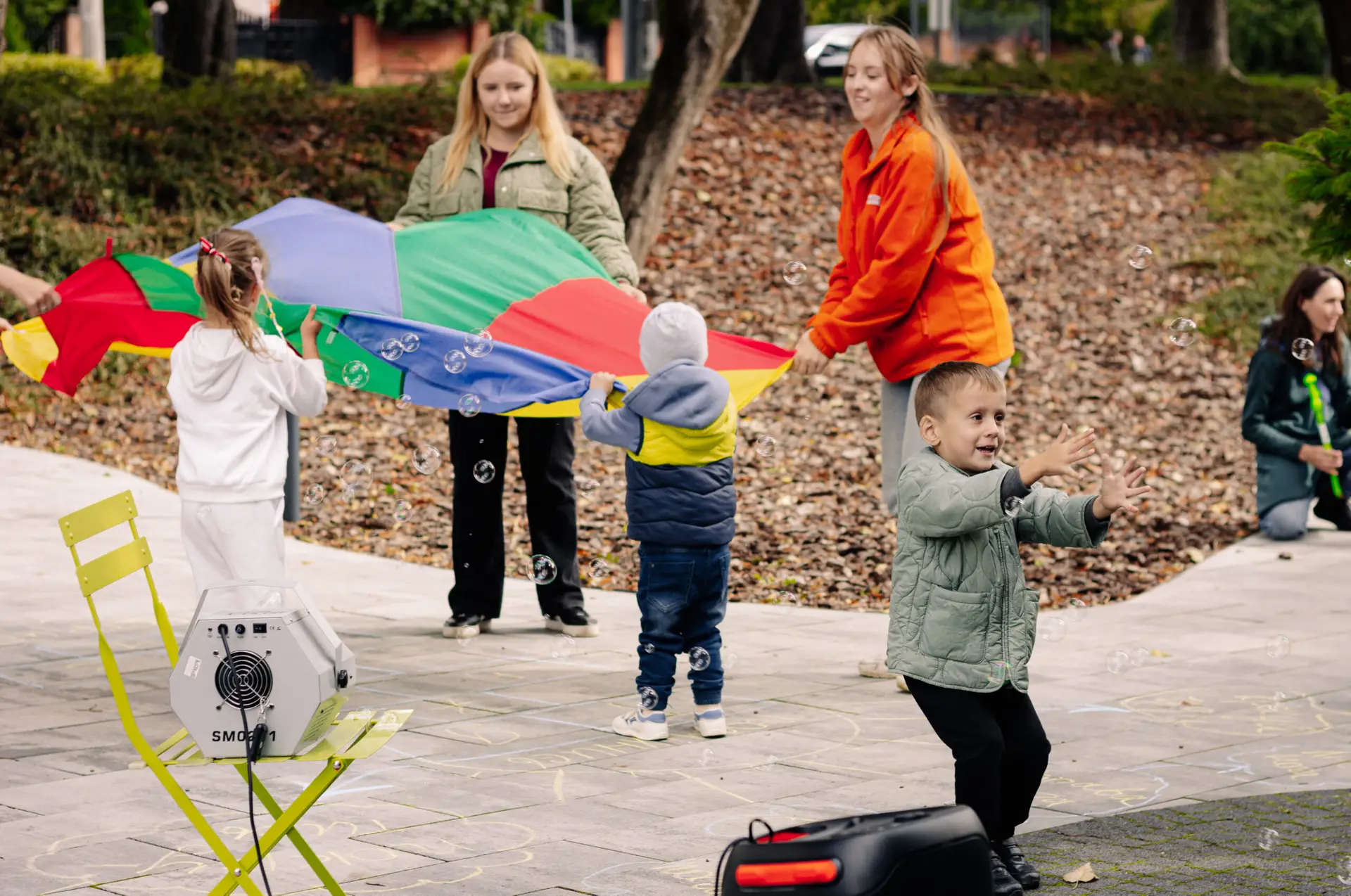
The Medical Clinic of the Ukrainian Catholic University initiated the festival ‘Health Days in the Neighbourhood.’ This is the first event of this scale, which attracted over 400 visitors. The main goal of the event is to encourage city residents to pay more attention to disease prevention, undergo annual screenings, and take care of their health.
The event lasted three days, from 18 to 20 September, and took place in the building and square in front of the UCU Medical Clinic (24a Panasa Myrnoho Street). Over 400 city residents took part in the event, 306 of whom underwent screening tests.
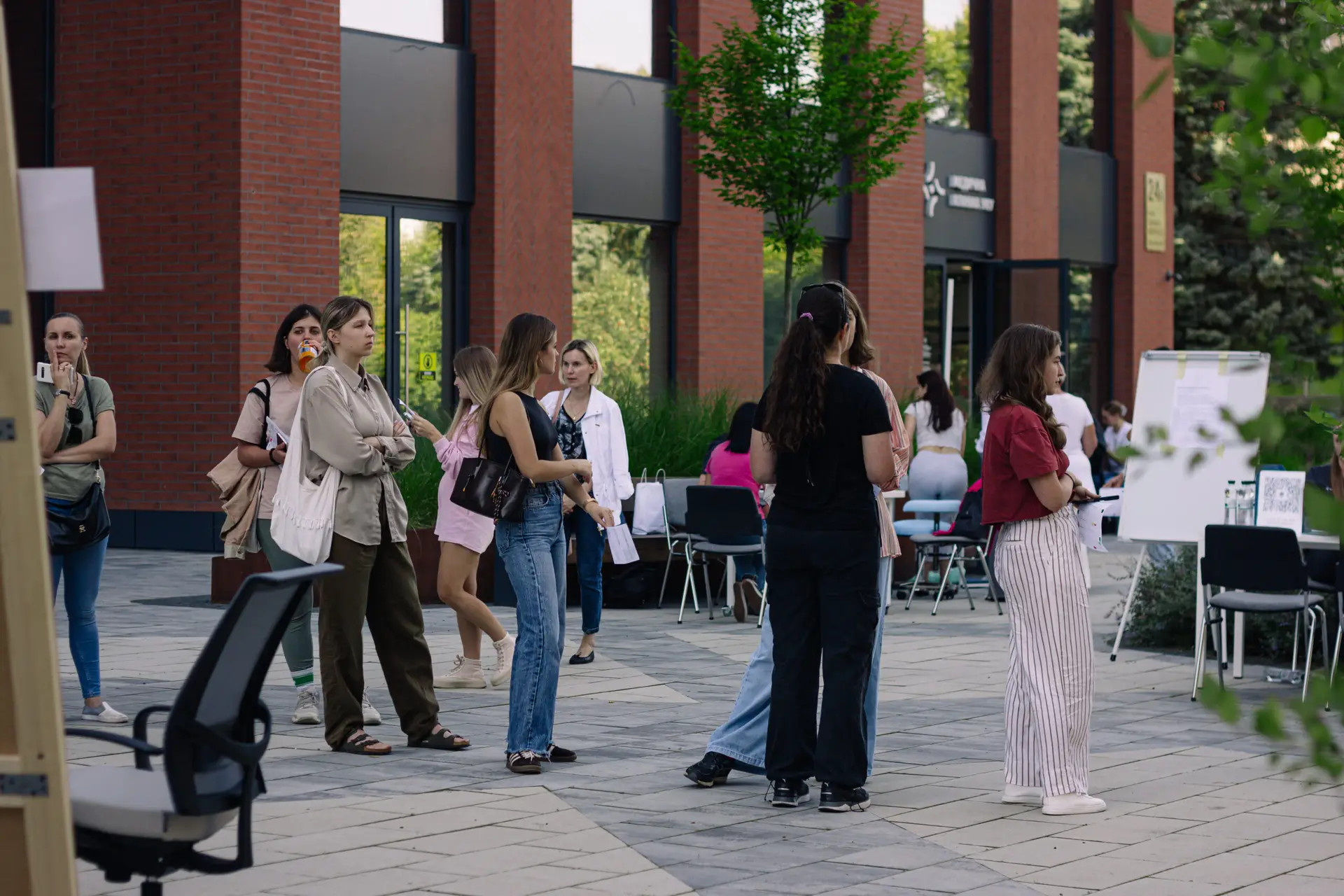
“As medical professionals, we see that Ukrainians are not very knowledgeable about how to take care of themselves properly. As part of Health Days at the UCU Medical Clinic, lectures were held with our specialists, meetings with doctors, and interactive sessions with physical therapists. The specialists talked about the need for prevention, annual screenings, and a responsible attitude towards one’s health. It is screenings around the world that help to detect hidden, dangerous diseases or ailments that we often ignore. Therefore, the mission of our clinic is to promote a culture of health care and disease prevention,” says Olga Ortynska, medical director of the UCU Medical Clinic.
Family doctors, paediatricians, physical therapists and occupational therapists, a gynaecologist, a neurologist, a cardiologist, and an endocrinologist worked at the health festival. As part of the event programme, doctors assessed the risk of cardiovascular disease (CVD) and screened for the risk of breast or cervical cancer, diabetes mellitus, and other diseases.

People often don’t realise that they have endocrine disorders. Therefore, even basic screening can identify potential risks and encourage people to undergo more in-depth examinations and necessary tests. During the three days of the festival, we screened 150 visitors. Twenty-nine of them were found to be at high risk of developing diabetes, so we recommended that they have their glycated haemoglobin tested. Fifty-two people were referred for TSH (thyroid-stimulating hormone) testing to diagnose thyroid disorders,” comments Ivanna Soroka, an endocrinologist at the UCU Medical Clinic.
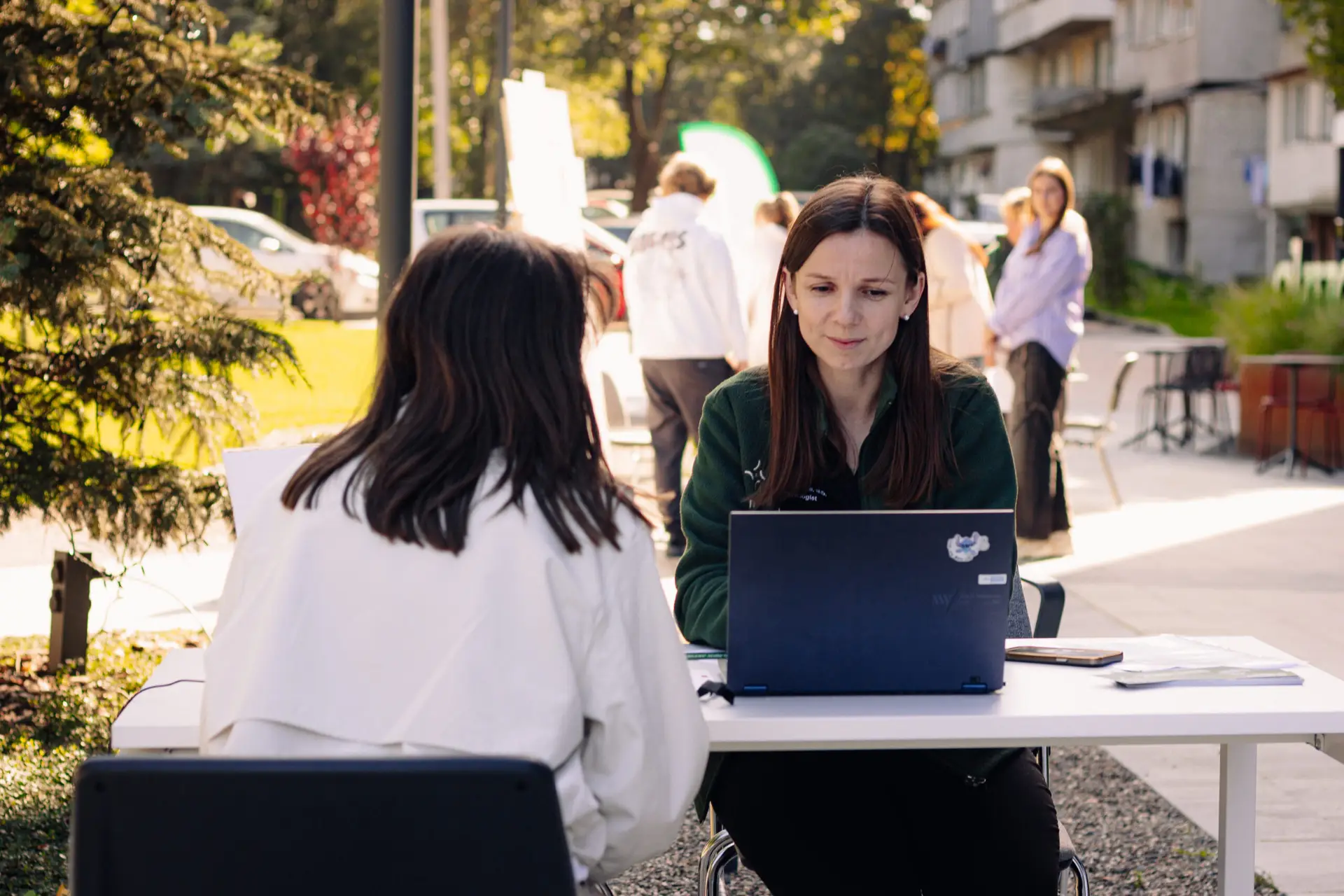
Anna Sukhorutchenko, a neurologist at the clinic, conducted screening to identify depression and neurological disorders. The doctor says that people rarely consult a neurologist even when they have obvious nervous system disorders, so very often patients are diagnosed with already progressive diseases. Of the 98 people who came for screening, many were found to have depressive and anxiety disorders, sleep disorders, radiculopathy against the background of herniated discs and disc protrusions, tunnel syndromes (carpal tunnel syndrome), dorsalgia (chronic pain in the spine and back), fibromyalgia, and syncopal conditions.
“Among the rare and significant pathologies detected during the Health Days were suspected Morton’s neuroma, multiple sclerosis, pituitary adenoma, and Bechterew’s disease. We referred people for additional examinations and repeat examinations for pathologies: CT or MRI of the spine, MRI of the brain, and laboratory tests. The results we received once again confirm that screening is a very important method of preventing the development of dangerous diseases, because people are accustomed to ignoring neurological symptoms until the problem interferes with their normal life,” said the doctor.
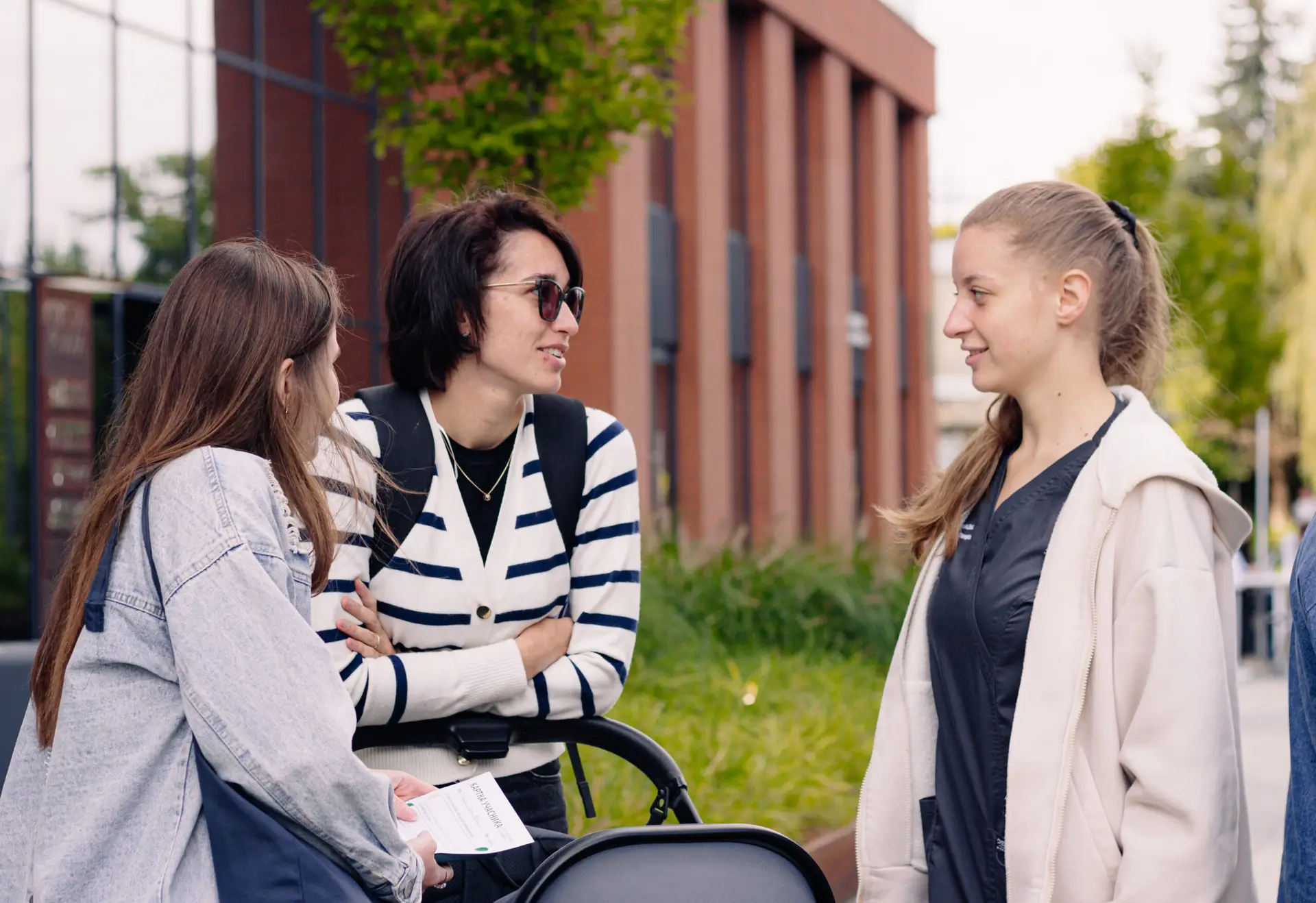
Physical therapists and occupational therapists from the UCU Medical Clinic conducted screening examinations of posture and testing of healthy sitting workstations. Over three days, they saw 122 people and helped them identify their pain points. Most visitors had pain in their lower back, neck, knees, and hands. In addition, the clinic team explained simple rules to follow when working in a seated position to avoid harming one’s health and prevent significant functional disorders.
“People often think that physical therapy is only necessary for patients who have injuries or functional disorders after illness. In fact, physical therapy is recommended for anyone who has chronic lower back pain, headaches, discomfort in the knees when walking, or who cannot tolerate physical activity. The specialists at our clinic work in various fields of neurology, orthopaedics, traumatology, etc. We also work with children who have posture problems and lower back pain,” said Romana Makoviychuk, a physical therapist at the UCU Medical Clinic.
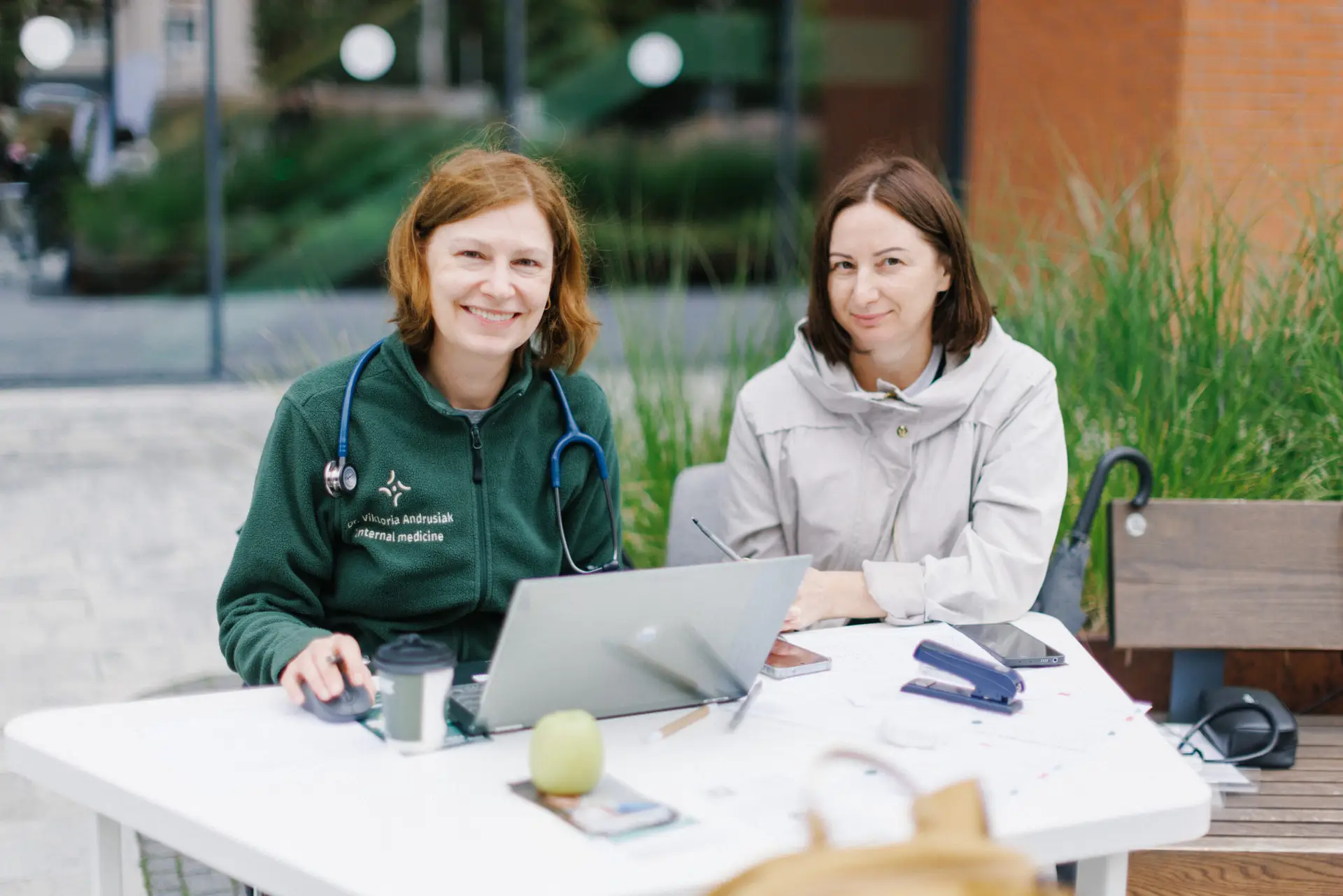
During the event, city residents had the opportunity to get to know the clinic team better and sign declarations with family doctors and paediatricians.
Every day, there were question-and-answer sessions with the clinic’s paediatricians, Marta Gorodilovska and Roksolana Yezhizhanska. Parents had the opportunity to talk to doctors and learn more about vaccinations and fever.
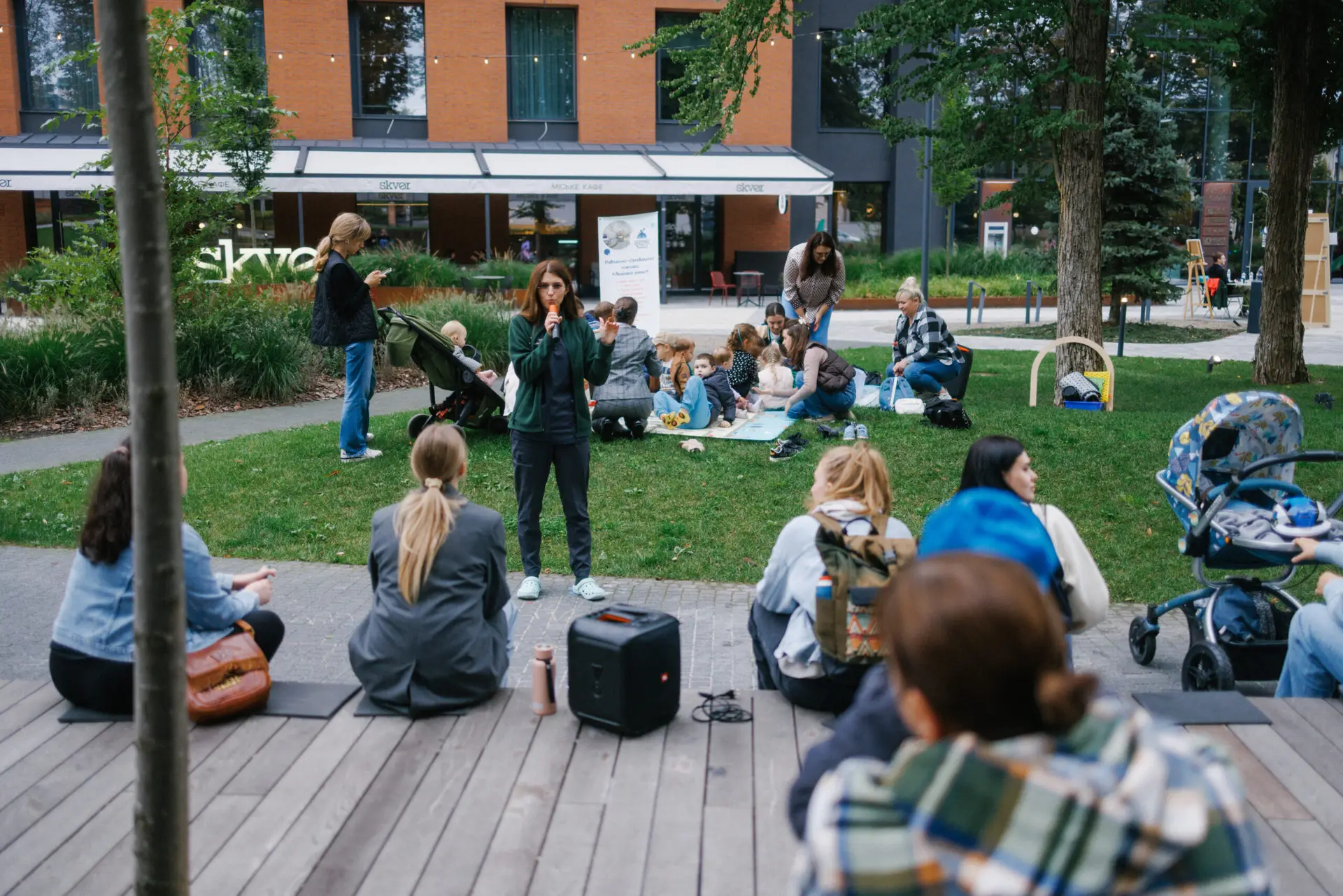
“It is very encouraging that modern parents are proactive and eager to learn. They ask many questions, and often have their own perspective on the doctor’s answers. Our event is an opportunity to meet and communicate with parents in an informal atmosphere. I would like to note that 25% of those who attended the meeting with pediatricians decided to sign declarations with our clinic and become our regular patients. This shows the level of trust and the warm connection with our doctors,” said Marta Horodylovska.
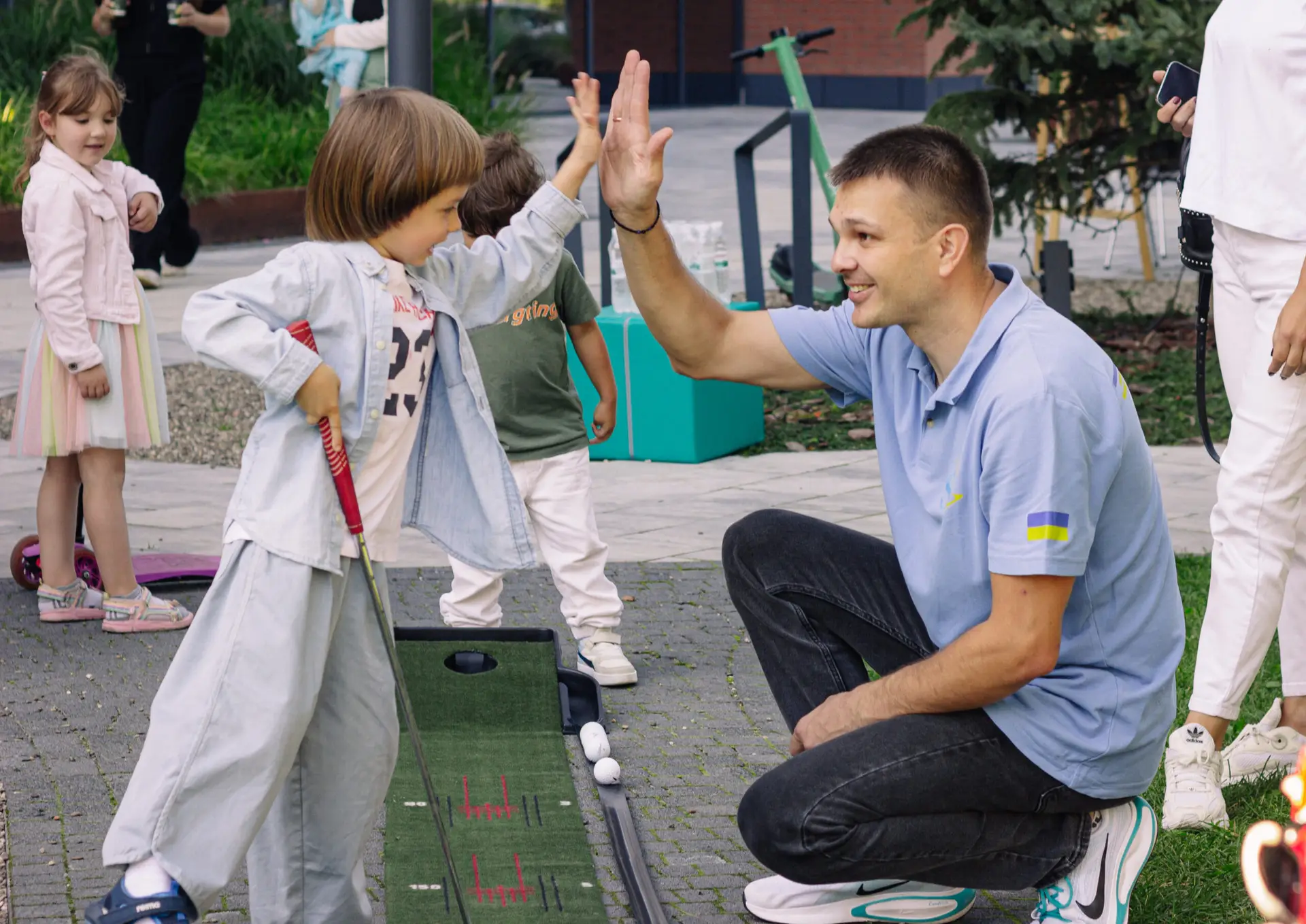
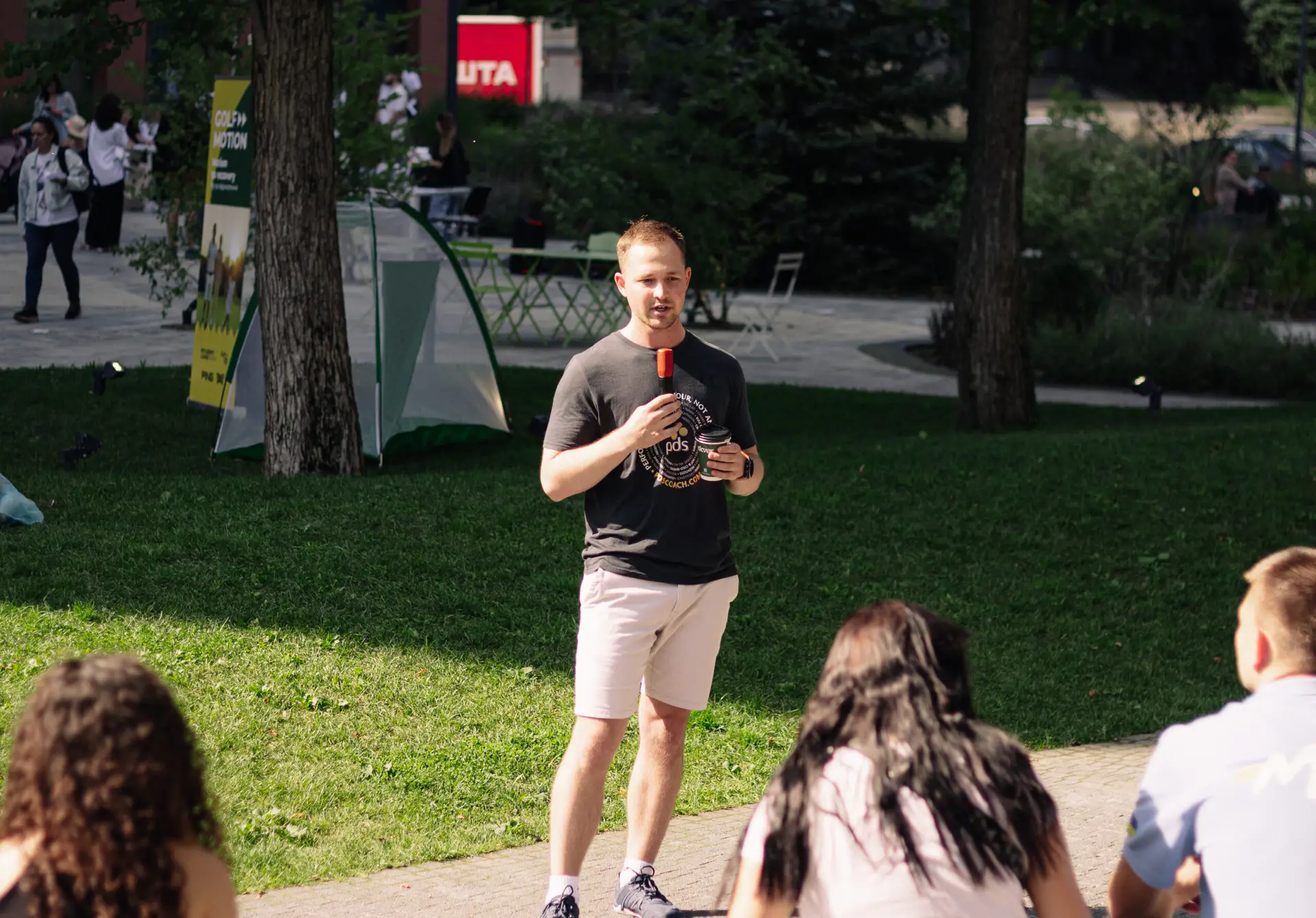
On Saturday, September 20, a golf masterclass took place in the square in front of the clinic. The invited guest – five-time Ukrainian golf champion Ivan Malovichko – gave a lecture and practical session for visitors.
“Golf is not only about sport, but also about health benefits. We spend about five hours outdoors, moving between holes, making a strike — and that is a complex coordination movement. Golf develops body muscles, coordination, and psychological balance, as it requires concentration every 5–10 minutes. It’s great that there are initiatives like the Health Days and centers like the UCU Medical Clinic that are ready to promote and popularize golf activities,” said Ivan Malovichko.
The UCU Medical Clinic plans to introduce golf as a form of therapy in its physical therapy department. The clinic’s specialists have already completed the necessary training and received certifications. Soon, everyone interested will be able to practice golf at the clinic. This sport serves as a method of recreational therapy that helps restore health, balance, and improve patients’ emotional well-being.
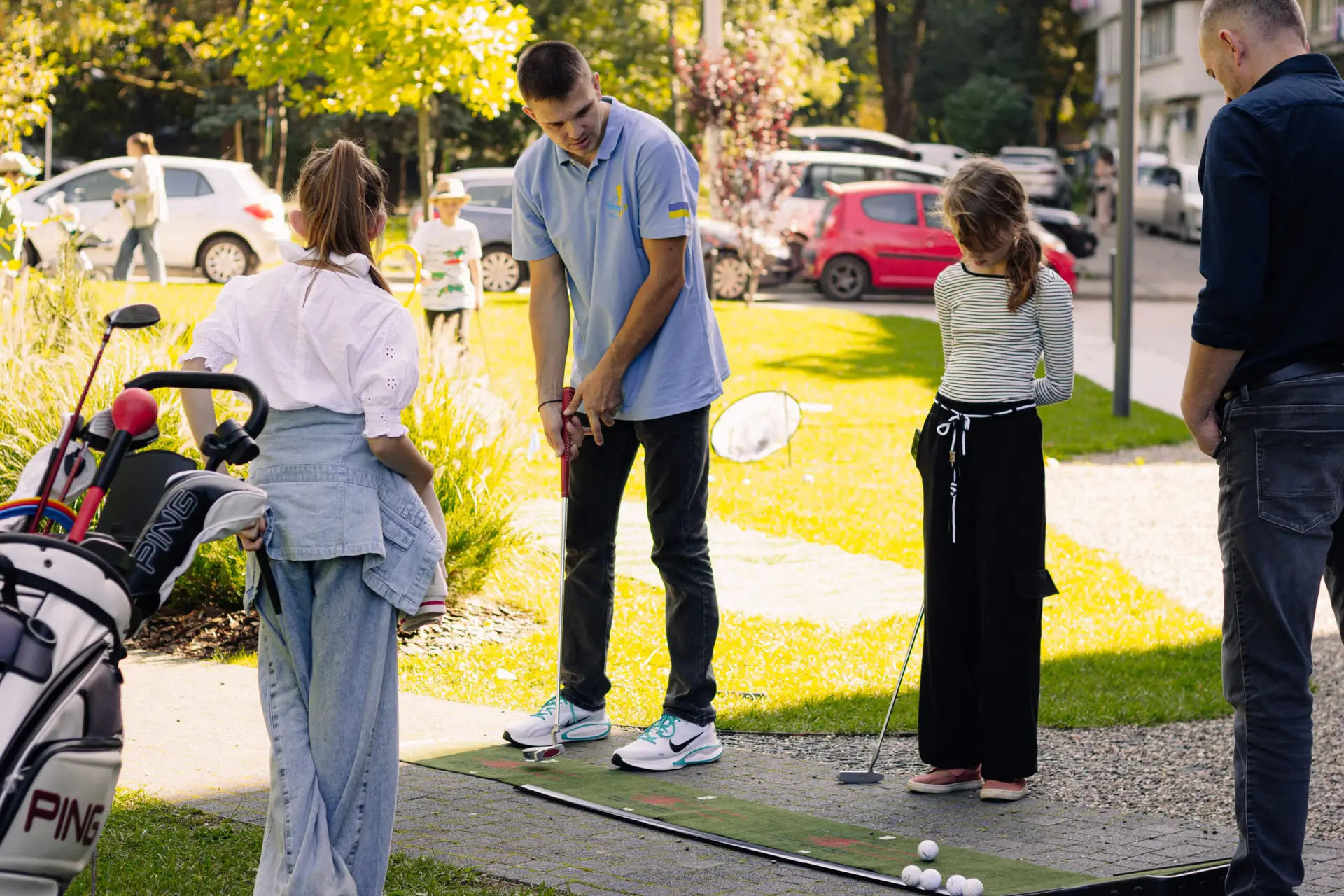
“Golf training has a strong therapeutic effect. To make a single strike and get the ball to fly, you need to control your entire body and psycho-emotional state. We can use golf in therapy to work with patients on controlling the knee joint, lower back, or elbow joints, as well as balance on one or both legs. During the session, a person focuses on the ball, and subconsciously the whole body comes under control,” explained physical therapist Romana Makoviichuk.
The event also featured lectures on important health topics delivered by the clinic’s pulmonologist, gynecologist, and nutritionist. It was especially valuable that many young people attended, listening attentively to the information and advice shared by the specialists.
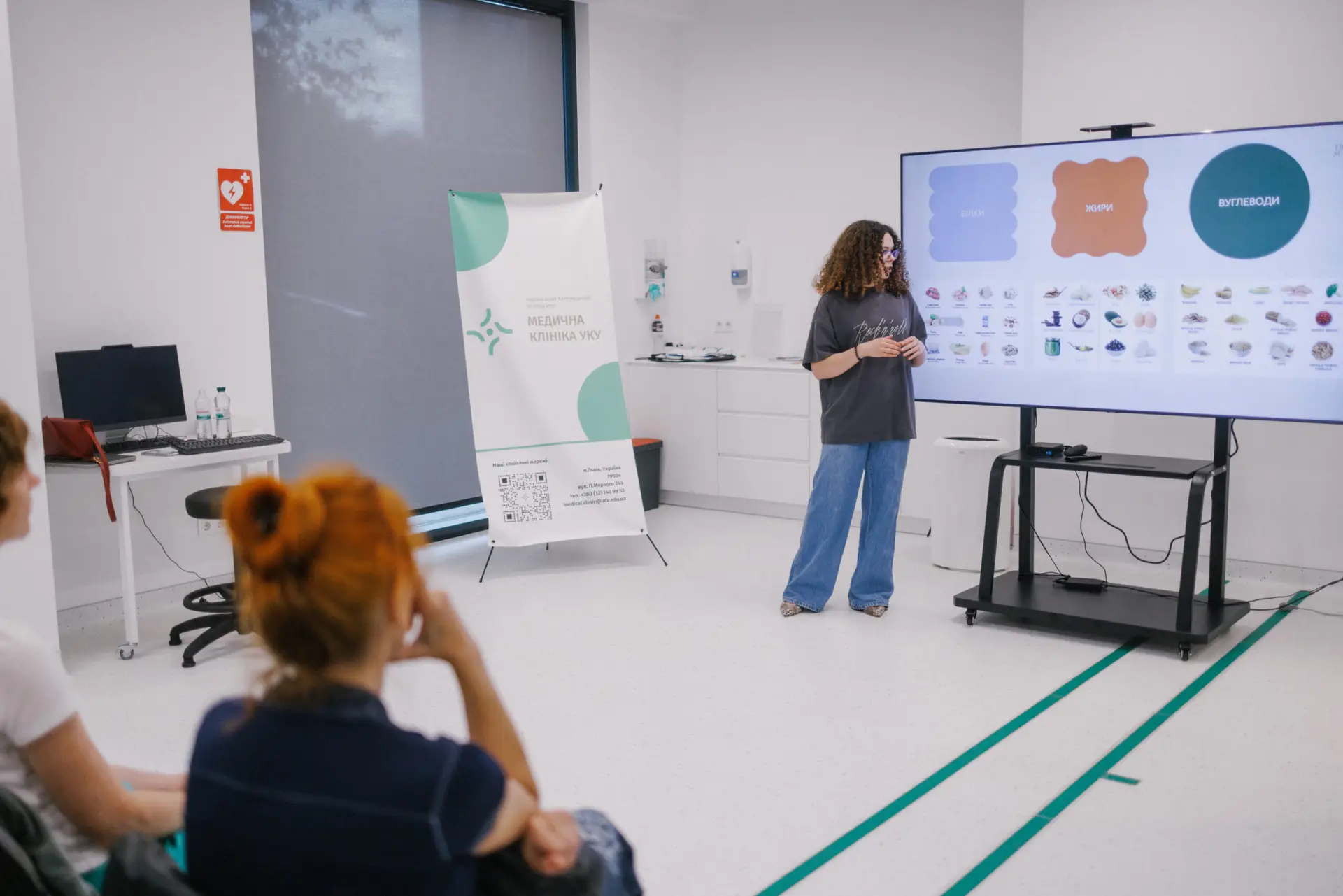
“The motto of the Ukrainian Catholic University is To Witness. To Serve. To Communicate. The UCU Medical Clinic wanted to realize this event in order to communicate, meet people, and also serve them. During the event, we offered free screenings from family doctors and specialists, workshops for children, and golf sessions as a new form of recreational medicine. We also dispelled many myths and prejudices about physical therapy and screenings, showing people that through interaction with doctors, they can take care of disease prevention or detect early signs of illness in time,” summarized Yelyzaveta Dotsenko, project manager of the UCU Medical Clinic.
A partner of the Medical Clinic — the Synevo laboratory network — also joined the Health Festival and during the event days provided an 80% discount on selected laboratory tests. A total of 135 people used this offer upon referral from doctors.
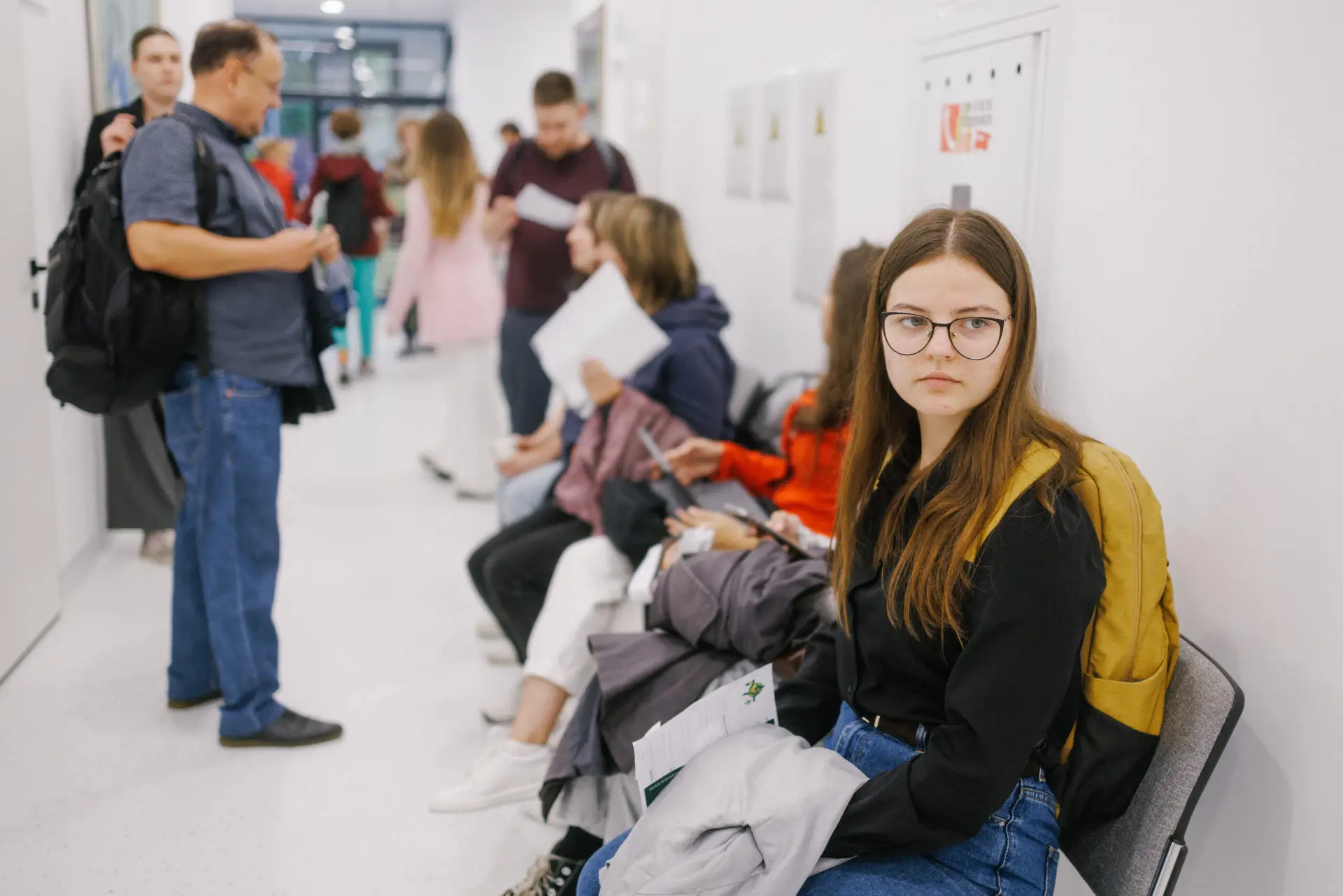
Specialists from Pavliv Eye Clinic, who joined the event, carried out vision acuity tests and autorefractometry (a computer-based diagnostic method). In total, they examined 133 visitors. As colleagues noted, many patients complained of dryness, a foreign body sensation, burning, or computer vision syndrome. There were also cases of myopia, myopic astigmatism, presbyopia, esotropia, and hypermetropia. All those found to have visual impairments were advised to undergo further examinations and consultations with an ophthalmologist.
“Health Days in the Neighborhood” was an event that brought together like-minded people and demonstrated that even in difficult times, we can show more kindness and solidarity.