

Lviv hosted the second theoretical and practical training course, “Principles of Polytrauma with an Emphasis on Damage Control Surgery.” The training was organized by the Ukrainian Catholic University Medical Clinic in cooperation with HuSoMe Ukraine and the Ukrainian Medical Association of North America (UMANA).
The training was designed for surgeons who work or are preparing to work in field and frontline hospitals. The course focused on primary stabilization and the initial surgical management of torso injuries in combat settings. The training began with an intensive theoretical program.
“I am an anesthesiologist, and resuscitative thoracotomy is a particularly challenging procedure for me. Surgical airway procedures also require specialized skills. These were the two main areas I wanted to focus on by taking this course and practicing these techniques. In addition, there are many situations where we work as a team to better understand the surgical stages of care. This course will help me understand the principles of teamwork and the key interactions needed to optimize our work,” said Mykola Demianiuk, an anesthesiologist and training participant.
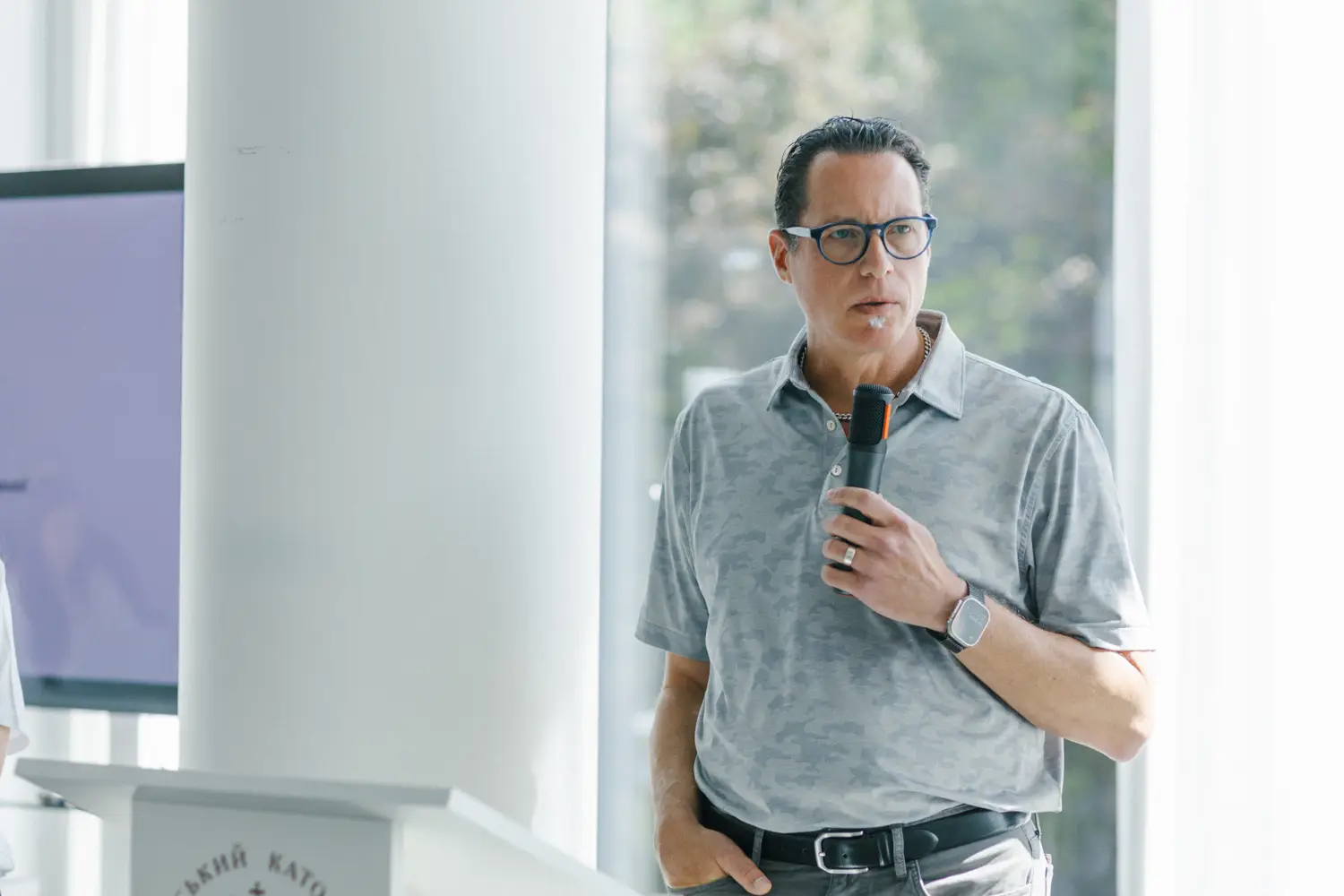
The training was led by American trauma specialists under the leadership of Dr. Benjamin Christie, a surgeon and Director of the Polytrauma and Critical Trauma Fellowship at Atrium Health Navicent in the United States. The team came to Ukraine to share their knowledge and skills and exchange experience with Ukrainian physicians.
“Last year, participants expressed a desire to devote more attention to neurotrauma, so we prepared a comprehensive lecture on the subject. There are other new elements as well. I really appreciated the questions from today’s participants. I learn a lot from them, and I hope that I can also share my own experience with them. They tell us about the incredible work they are doing on the frontline and in hospitals. It is truly inspiring and fills me with deep admiration,” said Dr. Benjamin Christie.

This year, the theoretical component included damage control resuscitation and neuroprotective strategies, as well as measures to stabilize patients according to damage control surgery principles and the use of whole blood and packed red blood cells.
“Last year, in the weeks following the training, our participants sent us photos and videos showing how they performed emergency thoracotomies and vascular shunting after practicing these techniques during the course. They wanted to show us that the training had been effective and that the doctors had been able to save wounded patients. It was inspiring,” said Anastasiia Furtak, training coordinator and pediatric surgeon at the UCU Medical Clinic.
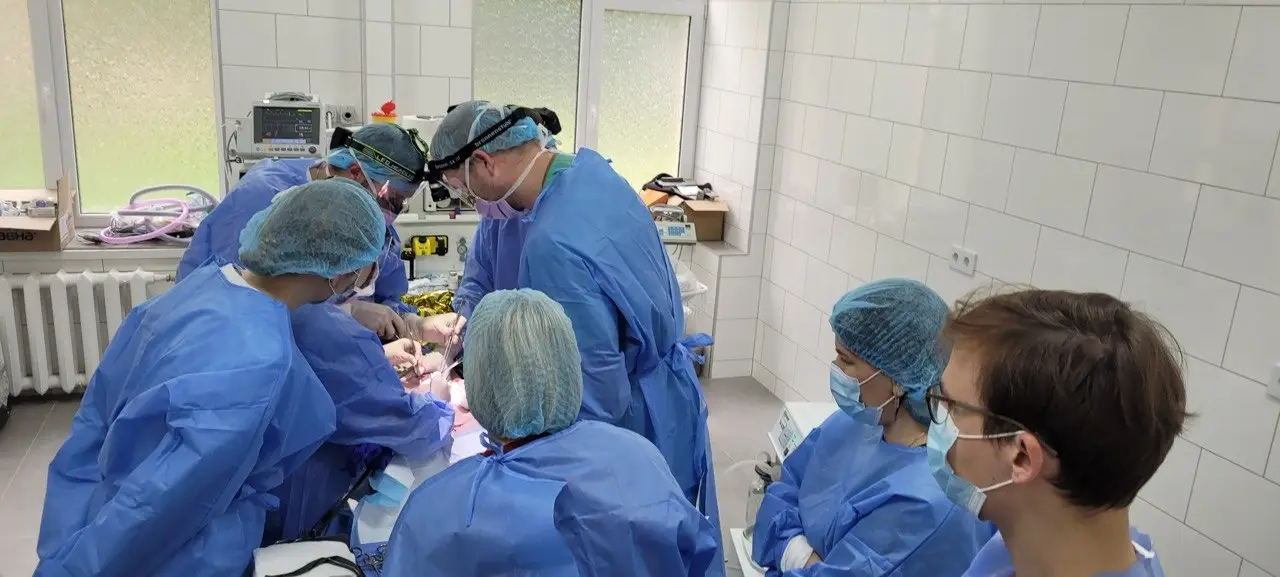
The practical component of the training took place at the training center of Danylo Halytsky Lviv National Medical University. Participants simulated abdominal organ injuries, practiced hemorrhage control in pelvic fractures, performed damage control laparotomies, and practiced the initial surgical management of injuries to major blood vessels, the liver, spleen, kidneys, and intestines.

“During the operation, the surgeons moved all the internal organs to one side and performed vascular procedures. They then removed the spleen and performed a thoracotomy to access the aorta in the supraceliac region and clamp it. These are all elements of damage control surgery that can be critically important in emergency situations. We also simulated lung injuries and performed tractotomy. In addition, we created a ventricular injury and sutured the heart. These are procedures a surgeon needs to see and experience in practice before having to perform them in real-life conditions,” said Dr. W. Matthew Vassy, a trauma surgeon, emergency general surgeon, and surgical intensivist at Northeast Georgia Medical Center in the United States.
The training was attended by military surgeons who currently work in, or are preparing to deploy to, frontline hospitals.
Petro Barchuk, an orthopedic trauma surgeon and volunteer with the First Volunteer Mobile Hospital, spoke about some of the most dangerous injuries medical teams encounter at the frontline:
“Chest wounds are very often accompanied by rapid, massive bleeding and a rapid deterioration in the patient’s condition. You have to make a decision within seconds about what to do. We practiced these algorithms during the course. The opportunity to work with a beating heart was especially valuable. It is an incredible experience when you suture the heart and it continues to beat.”
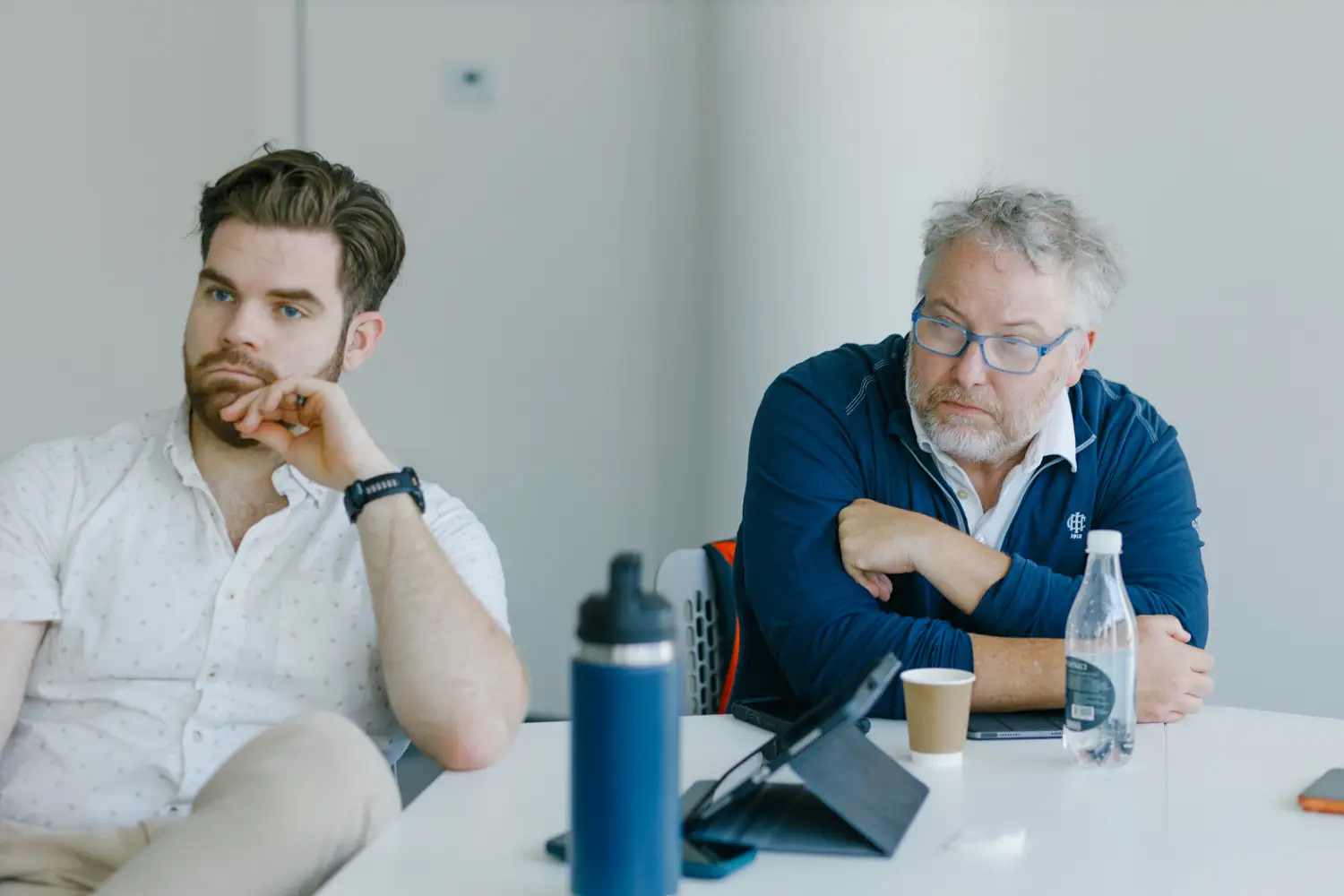
Dr. Elijah DeBroux, an Acute Care Surgery and Surgical Critical Care physician at Atrium Health Navicent in the United States, emphasized the importance of exchanging experience with Ukrainian colleagues:
“Most breakthroughs in surgery have occurred during wars, when the nature of injuries forced medical professionals to look for new solutions and introduce innovations. We are seeing this again today. This war, with the widespread use of drones, is changing our understanding of trauma, the experience we accumulate, and our approaches to treating the wounded. I am convinced that the world has much to learn from Ukraine, particularly about treating severely injured extremities, managing patients with prolonged injuries, and stabilizing wounded patients when rapid evacuation to a specialized medical center is not possible.”
The theoretical and practical training, “Principles of Polytrauma with an Emphasis on Damage Control Surgery,” was organized in cooperation with HuSoMe Ukraine and UMANA, with the support of Nova Oselya and Auroom. We thank our partners for their commitment and support of socially important initiatives of the UCU Medical Clinic.
The first practical polytrauma training took place in 2025. At the initiative of Anastasiia Furtak, a pediatric surgeon at the UCU Medical Clinic, a theoretical and practical training course was developed for surgeons working with polytrauma patients. The initiative received support from surgeons affiliated with the American College of Surgeons. The training received highly positive feedback from participants and was therefore continued this year.
Text: Lesia Vladymyrenko
Photos: Mariia Urban, Roman Sokolovskyi